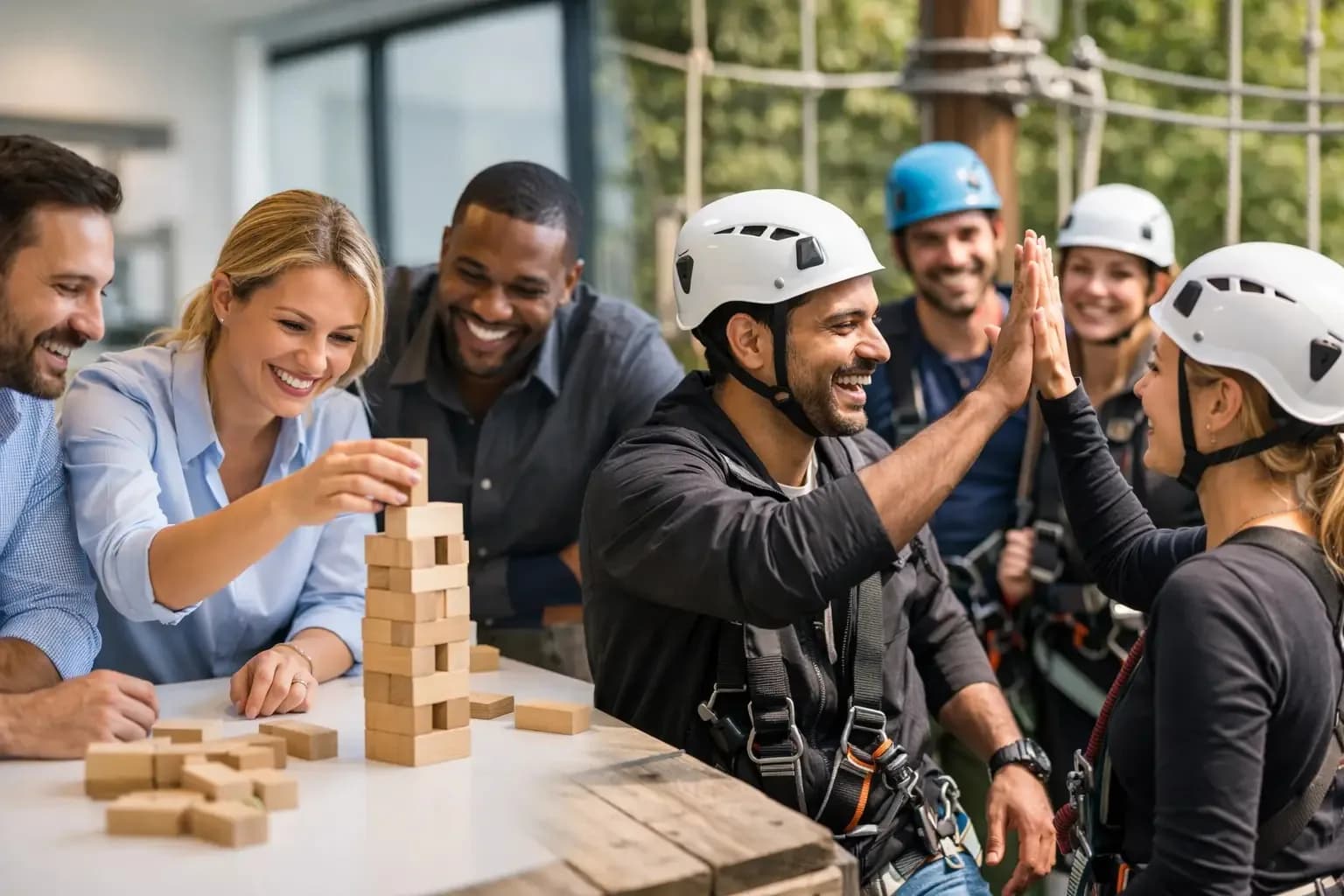
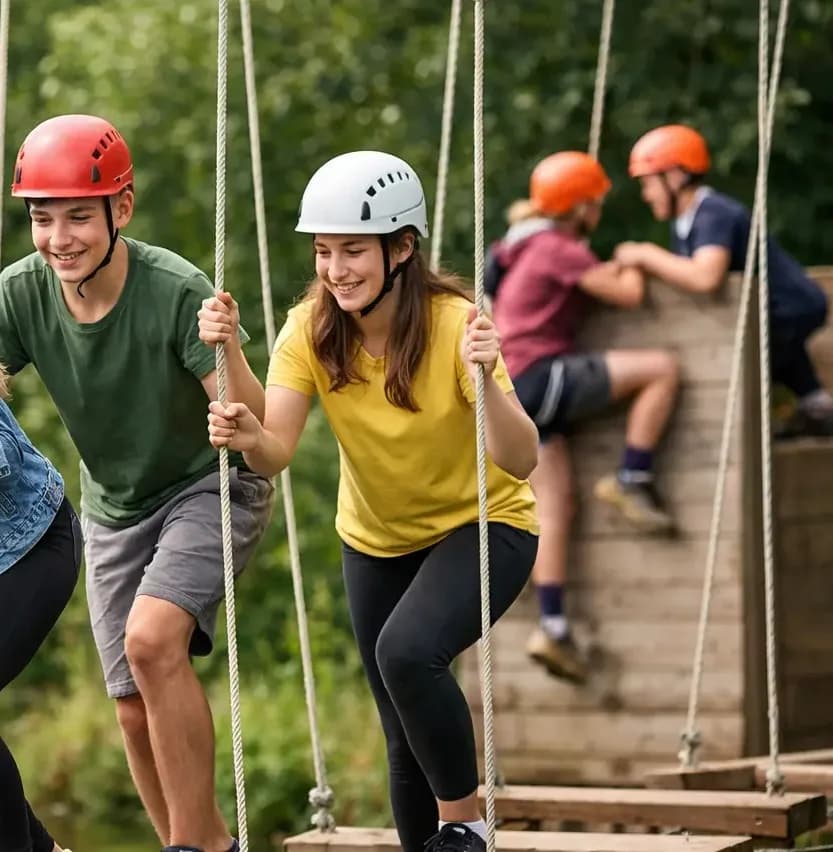
The bus ride home should be loud with students comparing scores, replaying the hardest moments, and insisting their team was one point away from first place. That is what great school trip challenge activities can create: a shared win-or-learn experience that gets students off their phones and fully into the game.
A strong challenge-based trip is not just a reward day. It gives students a reason to communicate under pressure, try unfamiliar tasks, support classmates with different strengths, and discover that the quiet strategist or steady teammate can change the result. The trick is choosing activities with enough energy to feel exciting and enough structure to keep the day purposeful.
Why school trip challenge activities work
Students do not all shine in the same way. One student may spot a pattern instantly. Another may stay calm when the timer starts counting down. Someone else may bring the speed, coordination, or encouragement that holds the group together. Challenge activities make room for all of those contributions.
That matters on a school trip. A museum visit, show, or lecture can be valuable, but students often experience it individually. Team challenges ask them to make decisions together. They have to listen, test an idea, adjust when it fails, and keep moving. The learning is active because the result depends on participation.
The best formats also offer short rounds rather than one long task. A team that struggles with a precision game can reset and tackle a puzzle, movement challenge, or reaction test next. That keeps frustration from taking over and gives more students a moment to lead.
Start with the outcome, not the activity
Before booking anything, decide what you want students to practise. The answer changes the kind of trip that will work best.
For a class building social confidence, prioritize low-pressure games where every player has a clear role. For a leadership group, choose timed tasks that require planning and fast communication. For a year-end celebration, variety and replay value may matter more than a formal learning outcome. There is no single perfect format - it depends on your students, schedule, and supervision needs.
Write down two or three goals your staff can recognize during the day. They might include listening before acting, sharing leadership, taking healthy risks, or recovering after a mistake. These goals give teachers a useful lens for encouraging students without turning a fun outing into another worksheet.
Choose challenge types that give everyone a shot
A school group needs more than one kind of game. If every activity is physically demanding, some students will disengage. If every room is a brain teaser, the high-energy students may lose focus. The strongest school trip challenge activities mix physical effort, logic, agility, perception, speed, and teamwork.
Look for a venue or plan that gives teams choices. When students can select their next challenge, they feel ownership over the experience. They can play to a strength, then take on something that stretches them. Difficulty levels are helpful too, especially for mixed ages or classes with different confidence levels.
A real-life gaming circuit is particularly effective because it avoids the all-or-nothing pressure of a single locked-room experience. Instead of being stuck on one puzzle for an hour, teams can move between short challenges, earn points, revisit a game, and build momentum. Every attempt becomes useful information for the next one.
At Cube Challenges in Mississauga, teams of two to six can move through a circuit of individually designed rooms with physical, brain, and agility-based games. Students can choose their room order, take on different difficulty levels, and chase a stronger score together. It is competitive, but it does not require a special athletic ability to contribute.
Build teams with intention
Letting students form their own groups can feel easy, but it can also leave out quieter students or create a team of friends who do all the talking. Teacher-built teams usually produce a better day.
Aim for groups of four to six where possible. Mix personalities, strengths, and friendship circles, while avoiding combinations that staff know may create conflict. If students are new to one another, give each team a quick mission before the first challenge: choose a team name, decide how you will make decisions, and agree on one phrase of encouragement to use when a round goes wrong.
Do not appoint the same kind of leader in every group. Instead, tell students that leadership should move. The fastest player may lead a movement challenge, while the most observant student takes charge in a visual puzzle. This is where the real team-building happens.
Set the rules before the score starts climbing
High energy needs clear boundaries. Explain that competition is part of the fun, but respect is non-negotiable. Students should celebrate their own wins without putting down another team, listen to safety instructions, and treat setbacks as part of the game.
It helps to be specific. Tell students what to do if they feel overwhelmed, where to find a teacher, and how to ask for a turn if one teammate is dominating. Remind them that a score measures performance in a game, not their value as a teammate.
Staff supervision should be planned around the activity, not added at the last minute. Confirm the venue's age requirements, waiver process, capacity, footwear and clothing expectations, arrival time, and whether teachers can observe or participate. Comfortable clothes that allow movement are usually the right call. A rushed check-in can drain the energy from an otherwise brilliant trip, so arrive early and make sure permission forms are complete.
Make the competition meaningful
A scoreboard is motivating, but first place should not be the only story students take home. Recognize different kinds of success throughout the day. You can celebrate the team with the best communication, the group that recovered from the toughest round, or the students who included every voice.
If the venue tracks points, use the score as a conversation starter rather than a final judgement. Ask teams what they would change if they played again. Did they rush? Did they spend too long debating? Did they discover a better way to assign roles? These questions turn a fun challenge into a memorable reflection without slowing the day down.
For older students, consider a small pre-trip prediction. Which type of challenge will be easiest for their team: physical, puzzle-based, or coordination-focused? Afterward, compare that prediction with what actually happened. Students often learn that their assumed strength was not the one that won points.
Plan the timing like a game master
A school trip can lose momentum in the gaps: loading buses, collecting waivers, finding lunch, or waiting for late arrivals. Build a simple run sheet that covers departure, check-in, briefing, activity time, breaks, and pickup. Share it with staff and students before the day.
For a challenge venue, a 60-minute session can work well when travel time is tight or the outing is part of a larger day. A 90-minute session gives teams more time to explore, replay, and improve their score. Neither is automatically better. Younger students may benefit from a shorter, high-focus session, while older students often enjoy the extra time to compete strategically.
Plan food and water around the activity, especially when students will be moving. A quick snack before arrival can prevent low energy, while a post-game lunch gives everyone a natural chance to talk about the best moments.
Give students one final challenge
Before students head back to the bus, gather them for a two-minute team debrief. Ask each group to name one moment when a teammate helped them succeed and one challenge they would take on differently next time. Keep it quick, positive, and real.
Then let the debate begin: who had the best strategy, who beat the hardest room, and which team is ready for a rematch? The right school trip does more than fill a day out of class. It gives students proof that when they communicate, adapt, and keep going, they can become a seriously strong team.
Are you ready to put your class to the test? Plan your next school trip challenge activities at Cube Challenges in Mississauga - book your session at cubechallenges.ca and give your students a day they will still be talking about on the bus home.