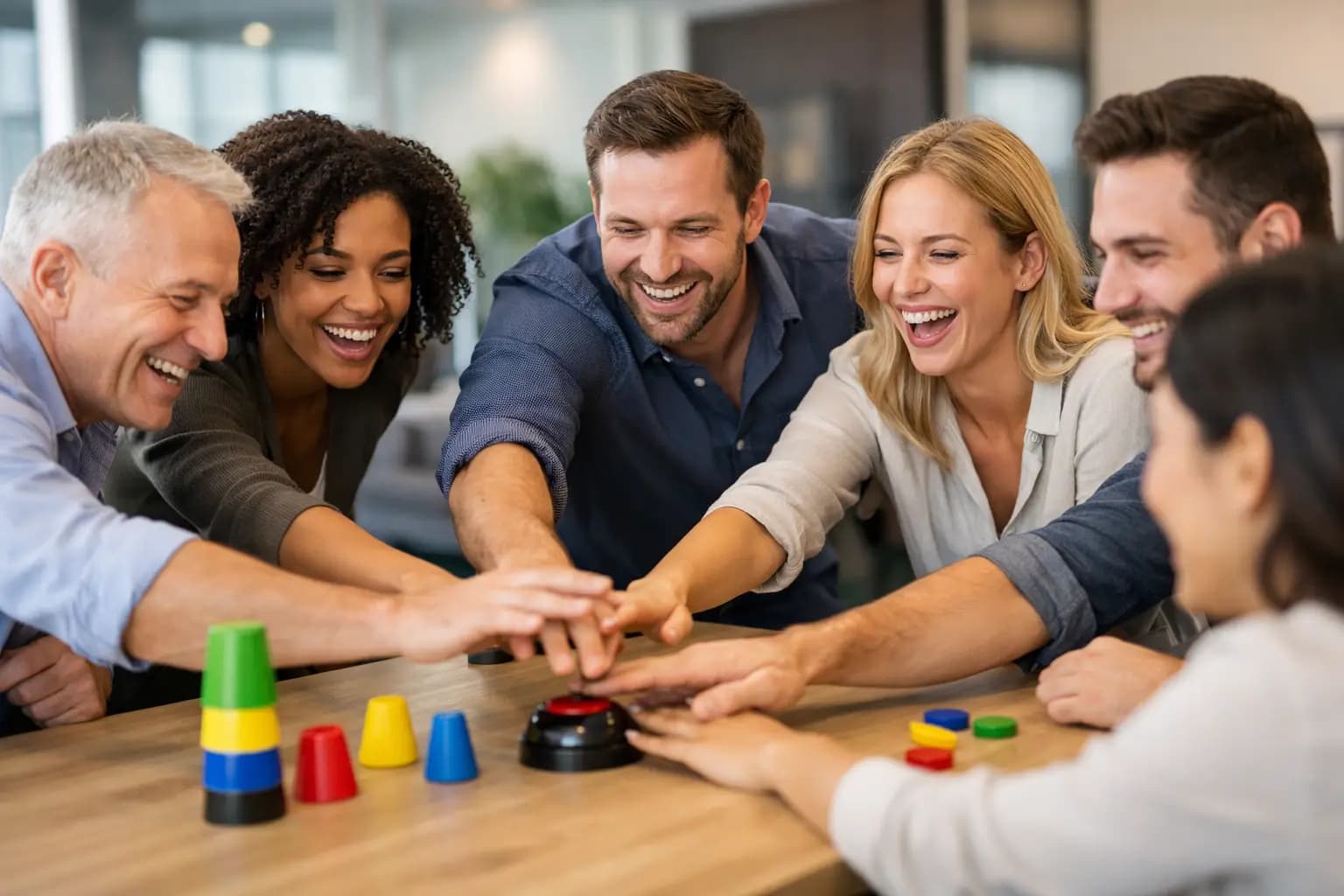
A great group plan can fall apart before it starts. Someone wants something active. Someone else does not want to run a 10K. One friend loves puzzles, another wants a laugh, and the person organizing it needs an option that does not leave half the group watching from the sidelines. A 60 minute group activity works when it gives everyone a real role - and enough variety to keep the energy up from the first challenge to the final score.
For families, friends, students, coworkers and celebration crews across Mississauga and the GTA, one hour is long enough to feel like you did something memorable. It is also short enough to fit around dinner, a birthday schedule, a workday or a busy weekend. The trick is choosing an activity built for participation, not just observation.
What Makes a 60 Minute Group Activity Worth It?
Time alone does not make an activity exciting. A one-hour experience can feel endless if the group spends most of it waiting, listening to instructions or watching one confident person take over. The best format gets your team involved quickly, gives people choices and changes the type of challenge before anyone gets bored.
That means a good group activity needs more than one way to succeed. Some players are quick on their feet. Others spot patterns, remember details, stay calm under pressure or naturally organize a team. When the experience includes physical, brain and agility-based tasks, every person has a chance to make the difference.
Competition helps too, as long as it stays friendly. A score gives the group something to chase. It creates those loud final seconds, the instant replay debates and the moment when a quiet teammate suddenly becomes the hero. But the score should not be the only point. The strongest group experiences let beginners contribute while still giving competitive players a reason to push harder.
Skip the Passive Plan
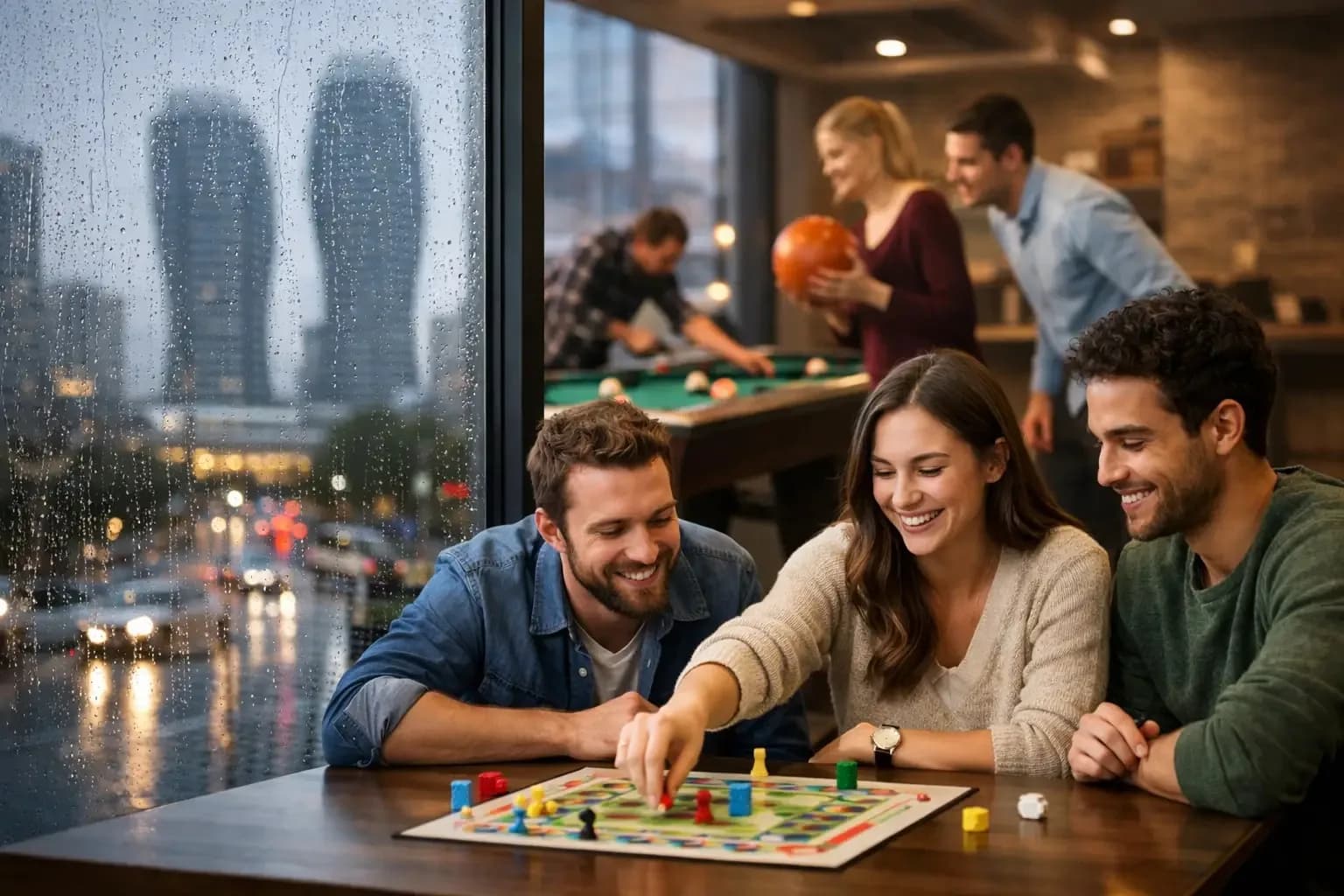
Movies, dinners and game nights all have their place. But they can make a large group split into smaller conversations, scroll on phones or settle into familiar roles. If you are planning a birthday outing, a team social or a weekend activity with kids and teens, you may want the opposite: a shared mission that gets people talking to each other.
A challenge-based experience creates that naturally. You need to call out what you see, decide who should try next, adjust after a missed attempt and celebrate when a plan works. That is why active group play is especially useful for workplace teams. It lets colleagues connect without forcing a stiff icebreaker or a sit-down presentation.
There is a trade-off. A high-energy activity will not suit a group looking for a quiet catch-up. It also asks participants to be present and willing to try. For groups that want movement, laughter and a little bragging rights, though, that is exactly the appeal.
Build the Hour Around Short Challenges
The biggest risk with a 60-minute booking is spending too much of it on one task. If a single puzzle stalls, the entire group can lose momentum. A better setup uses short, distinct games that allow teams to move on, reset and find their strength in the next room.
At Cube Challenges, teams of two to six move through a circuit of individually designed challenge rooms rather than following one locked-room story. Each room brings a different test, and teams choose where to go next. There are 30 rooms to take on, with three difficulty levels in each, so your hour can include a mix of quick reactions, communication, coordination and problem-solving.
That flexibility matters. A family with younger players may start with approachable rooms to build confidence. A group of friends may head straight for the highest difficulty level and chase a stronger score. A workplace team might discover that the person who is quiet in meetings is the best at reading patterns under pressure. No special athletic ability is required. The goal is to find the challenges where your team clicks.
Give Every Player a Job
The fastest team is not always the team with the loudest leader. Before entering a room, take a few seconds to scan the challenge together. Who should take the first attempt? Who should watch for details? Who is best at keeping track of timing? Switching roles is part of the game.
For physical tasks, one player may handle the movement while teammates guide, count or spot the next step. For a visual puzzle, the person who notices the smallest detail can take the lead. In a speed challenge, clear communication can matter more than raw reflexes. Encourage everyone to speak up early. You never know which idea will raise the score.
Choose Difficulty With a Purpose
Easy does not mean boring, and hard does not automatically mean better. A smart team uses difficulty levels strategically. Start with a challenge that helps everyone understand the rhythm of the experience. Then test yourselves with something harder once you have momentum.
If a room is not going your way, do not let pride eat ten minutes of your session. Reset, try another room and come back later if you want a rematch. The open format rewards decision-making as much as performance. You are not trapped in one storyline waiting for a breakthrough.
Make It Work for Your Type of Group
A 60 minute group activity should feel personal to the reason you are gathering. The same set of challenges can create very different experiences depending on who is playing and how you set the tone.
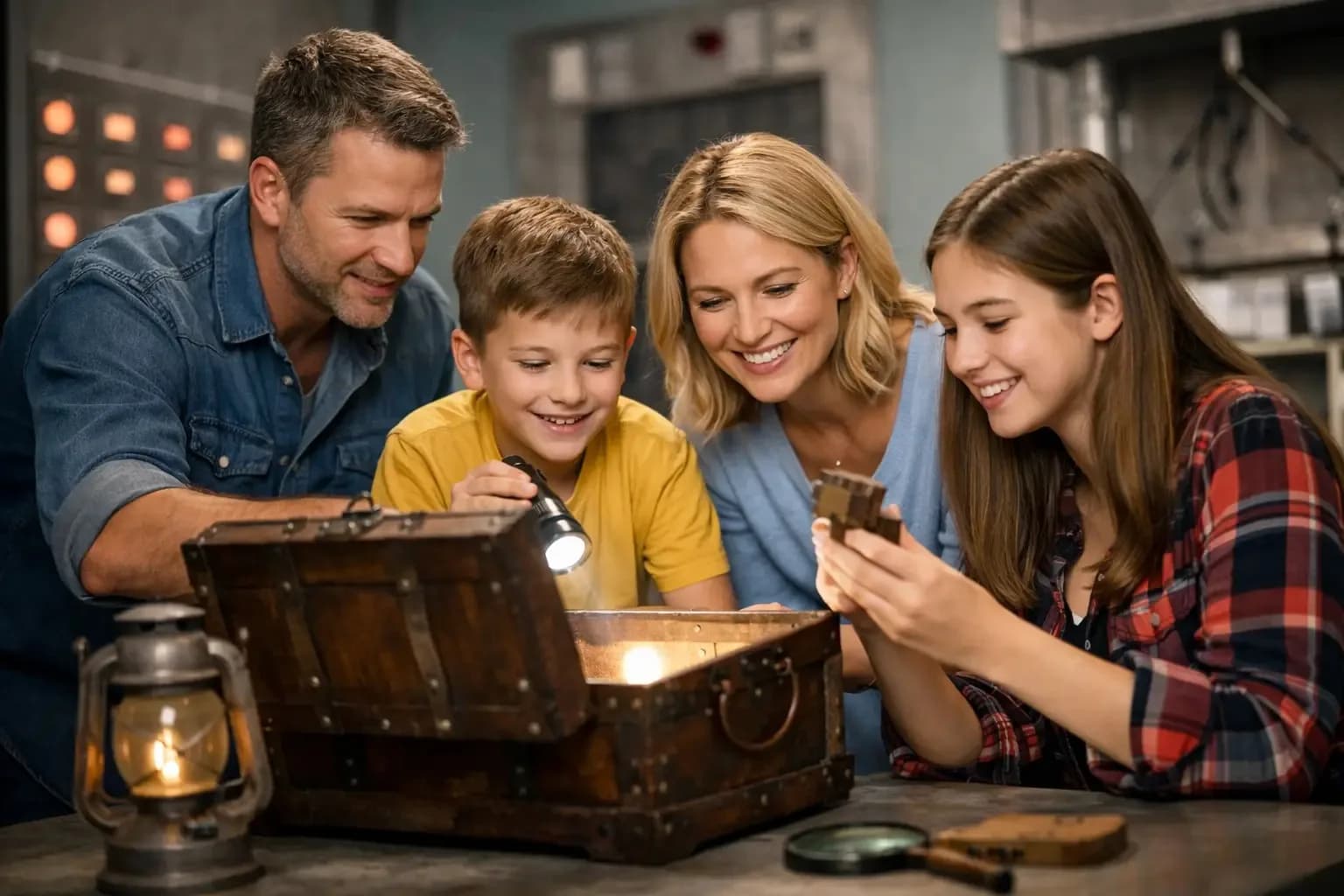
For families, make the goal shared fun first and points second. Let kids choose a room they are excited about, and make space for adults to follow their lead. Children aged seven and up can contribute in meaningful ways when the challenge types vary, especially in rooms built around observation, balance, timing and teamwork.
For friends, turn the score into a friendly rivalry. Agree on a team name, set a target and decide in advance who has to buy the post-game snacks if the team misses it. The best part is that no one has to be a puzzle expert or a gym regular to get involved.
For school groups, the format offers a practical lesson in communication without feeling like class. Students quickly see that shouting directions is not the same as collaborating. They have to listen, adapt and make decisions together when time is ticking.
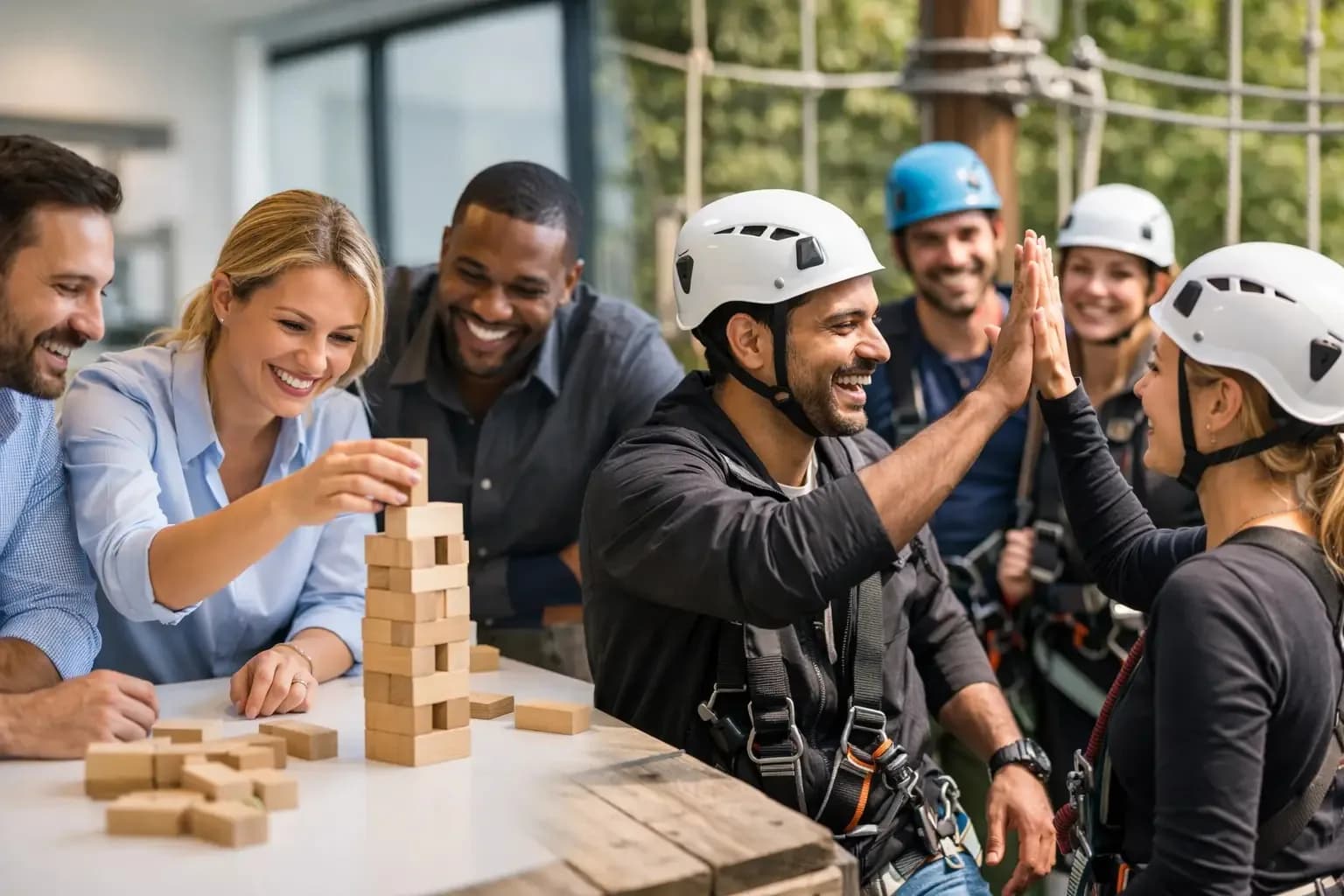
For workplace teams, avoid making it feel like a performance review. Mix departments or roles, celebrate good attempts and give people permission to be silly. The value is not just who finishes first. It is seeing how the group reacts when a first idea fails, a new plan is needed and the clock is running.
For birthdays, bachelor and bachelorette parties, the one-hour session can be the main event or the high-energy start to a larger night out. It gives everyone a story to tell before you move on to food, photos or celebrations.
Plan the Details So Game Time Stays Game Time
The most exciting activity can lose its edge if the group arrives late, cannot agree on team sizes or wears clothing that makes movement awkward. Send the basics before the day: confirm who is coming, encourage comfortable clothes and closed-toe footwear, and ask everyone to arrive ready to play.
Keep team size in mind. Teams of two to six are small enough for every player to take part and large enough to bring different strengths into the room. If your group is bigger, divide into teams and make the competition part of the fun. Compare scores afterward, but also trade stories about the room that caught everyone off guard.
If you are booking for a corporate event or a larger celebration, think beyond the activity itself. Do you need time for arrivals, a quick welcome, food afterward or awards for the top team? A 60-minute session is the game time, not necessarily the full event window. Giving your group a little breathing room keeps the day from feeling rushed.
The Hour Ends, But the Team Energy Does Not
The final score is only one way to measure a great session. You might leave proud of a high ranking, laughing about a spectacular near miss or already planning which room you would replay next time. That is what makes a well-designed hour more than a filler between other plans.
Choose a challenge where your group can move, think and make decisions together. Then show up ready to try, swap roles when needed and cheer loudly when someone beats the room. Your next team victory could be waiting behind the very first door. Book your session at cubechallenges.ca and turn your next hour in Mississauga into the group's best plan.